Apple Changes iOS 28 Development Schedule, Eyes Agent-Like Siri: Report
Apple has given engineers more coding time in the first stage of iOS 28 development and could make Siri more agent-like in 2027, Bloomberg reports.
Apple has changed how it builds iOS 28, according to a report from Bloomberg's Mark Gurman published on 8 November 2026. The first development stage for iOS 28 and macOS 28 now gives engineers six weeks of coding and two weeks of integration, instead of the usual four and four. In the same newsletter, Gurman said Apple could make Siri act more like an agent as early as 2027.
What changed in iOS 28 development
Apple splits each year's software cycle into three big stages. Normally, every stage runs for about four weeks of writing code, followed by roughly four weeks of "convergence", when new features are merged and stabilised.
For the first stage of iOS 28, which Gurman calls the M1 milestone, Apple tilted the balance. Engineers got six weeks to code and explore, then only two weeks to pull everything together. macOS 28 follows the same plan.
Why engineers like the new schedule
Per Gurman, staff have welcomed the shift because it leaves more room to try ideas before features are locked. Apple has not commented publicly, and Gurman did not reveal any specific iOS 28 features.
9to5Mac suggests that newer agentic coding tools may explain why a shorter integration window is now workable. That is the outlet's own reading, not something Bloomberg confirmed, so treat it as an educated guess.
Siri could become more of an agent
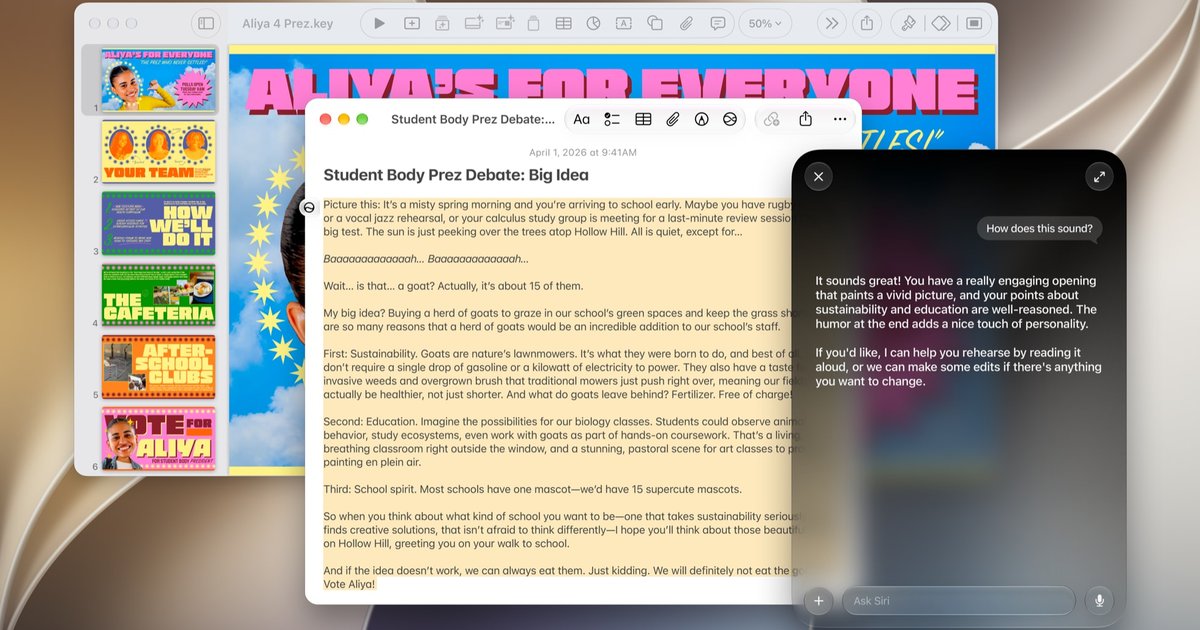
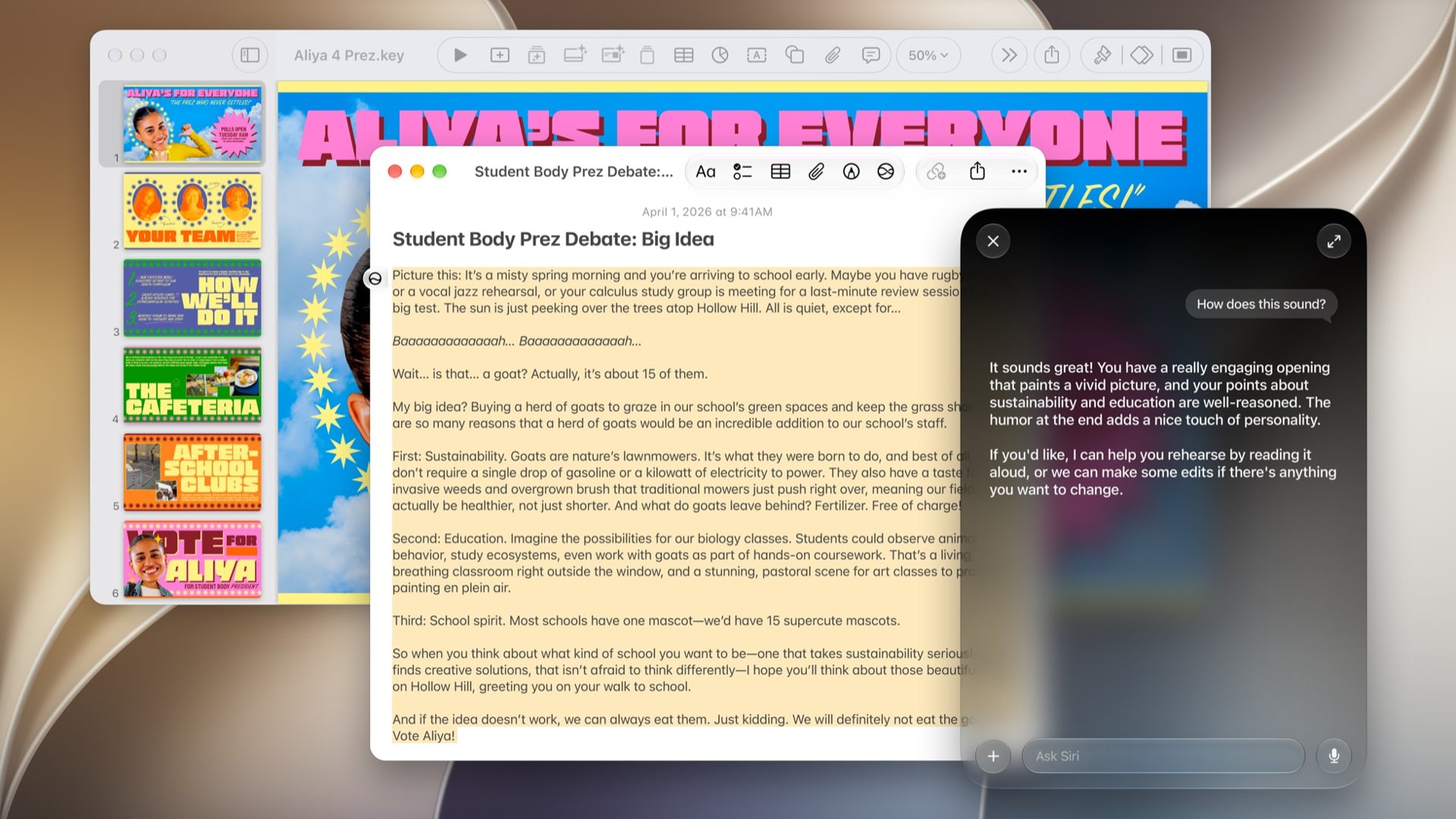
The bigger hint for iPhone owners is about Siri. Apple shipped Siri AI with iOS 27 in September 2026, adding on-screen awareness, searches across personal content and a dedicated Siri app. What Siri still does not do is take action on its own, without being asked.
Gurman reported that Apple wants to change that and could give Siri more proactive, agent-like behaviour as soon as 2027. He pointed to rival assistants that track goals and work out the next step without the user guiding every move.
Key facts at a glance
- Report: Bloomberg, Power On newsletter, 8 November 2026
- Old stage split: about 4 weeks coding + 4 weeks convergence
- iOS 28 first stage: 6 weeks coding + 2 weeks convergence
- Expected iOS 28 beta: June 2027
- Expected public release: September 2027
How this compares with iOS 27
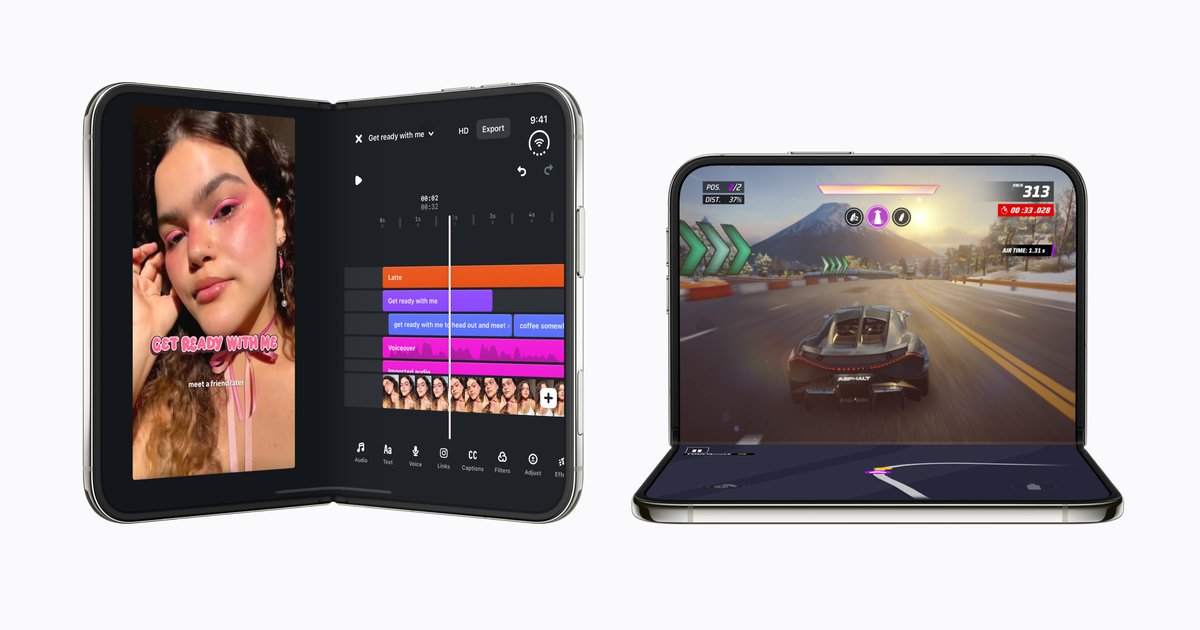
iOS 27 was the update that finally delivered the personal Siri Apple first promised in 2024, though it arrived as an English-only beta and is still missing in the EU. If iOS 28 really does add an agent-style Siri, it would be Apple's answer to assistants that already handle tasks in the background. For more on Apple's current software push, read our report on 100,000 apps optimised for iPhone Duo.
Our Opinion
A process change sounds dull, but it often decides what reaches your phone. Giving engineers six weeks to experiment instead of four suggests Apple wants iOS 28 to be more ambitious than a tidy-up release. The trade-off is risk: two weeks of integration is a tight window, and Apple has a history of features slipping when timelines squeeze. The Siri angle matters more for everyday users. Siri AI is helpful when you ask, but rival assistants already act for you. If Apple can do that through its existing app framework, iPhone owners could get useful automation without handing every task to a cloud bot. We are cautiously optimistic, but this is still a report, and June 2027 is a long way off.
Would you trust Siri to act on your behalf? Do let us know in the comment section below, and stay tuned to Phone Opinions for more iOS news.
Source: MacRumors, 9to5Mac. This story was originally reported by Bloomberg.
FAQ
When will iOS 28 be released?
iOS 28 is expected to enter beta in June 2027 and reach the public in September 2027. Apple has not confirmed these dates.
Will iOS 28 have an AI agent Siri?
Bloomberg reports that Apple could make Siri more agent-like as early as 2027. Apple has not announced any iOS 28 features yet.
What did Apple change in iOS 28 development?
The first stage now has six weeks of coding and two weeks of integration, instead of the usual four weeks each, according to Bloomberg.