Apple's US Smartphone Share Hits 57% as Q3 Shipments Fall 9%
Apple took 57% of US smartphone shipments in Q3 2026, up from 50%, as memory costs pushed the overall market down 9%, Counterpoint Research says.
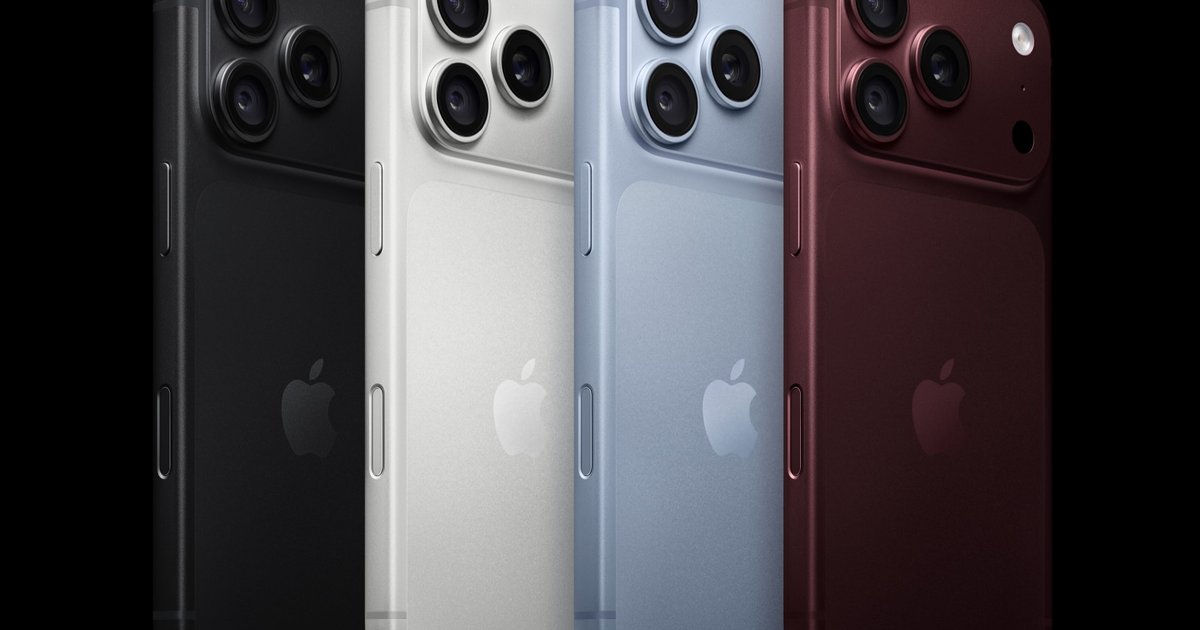
Apple's US smartphone share rose to 57% in the third quarter of 2026, up from 50% a year earlier, according to a Counterpoint Research report published on 26 November 2026. The gain came while total US shipments fell 9% year on year, as rising memory costs hit cheaper Android phones much harder than the iPhone.
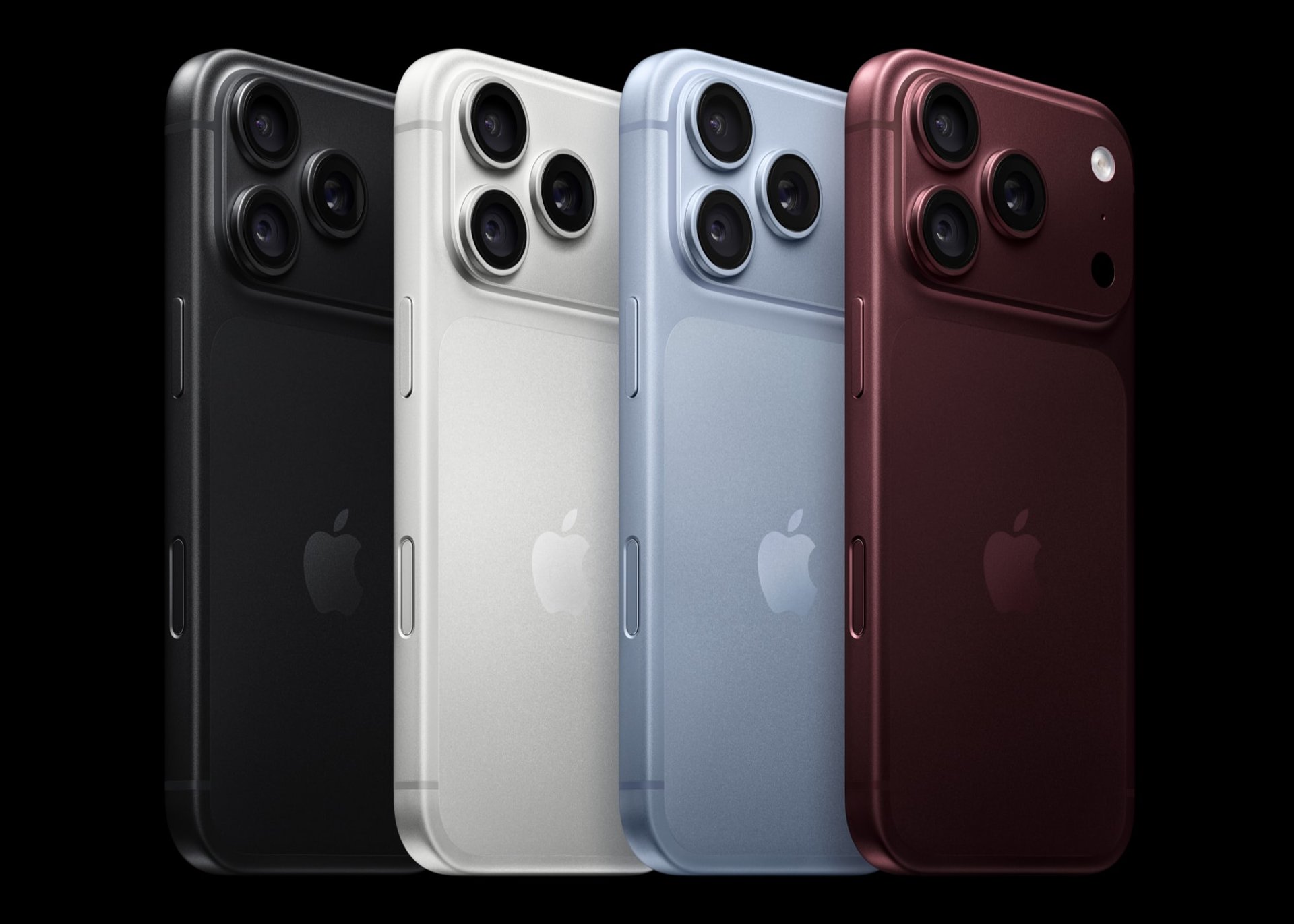
Apple's US Smartphone Share Climbs to 57%
Counterpoint says Apple was the only major phone maker whose US shipments did not shrink between July and September. That is the main reason its share jumped seven points. Apple did not sell dramatically more phones; everyone else simply sold fewer.
The research firm named senior analyst Emily Herbert as saying Q3 was the quarter when higher component prices really started to bite in the US. Phones at the bottom of the market have the thinnest margins, so brands there had little choice except to raise prices or ship fewer units.
Q3 2026 US Market Share at a Glance
| Brand | Q3 2025 | Q3 2026 |
|---|---|---|
| Apple | 50% | 57% |
| Samsung | 24% | 25% |
| Motorola | 12% | 8% |
| 7% | 6% | |
| Total US shipments | Down 9% year on year | |
How Samsung, Motorola and Google Fared
Samsung held its ground and edged up one point to 25%. Counterpoint credits its Galaxy S and Galaxy Z flagships along with the low-cost Galaxy A series. It was the only big Android brand to gain share.
Motorola took the biggest hit. Its lineup leans heavily on budget phones, exactly the segment where memory prices hurt most, and its share dropped four points to 8%. That is a sharp turn for a brand that had grown in the previous quarter.
Google slipped slightly, from 7% to 6% according to iClarified's reading of the data. Counterpoint said the Pixel 11 launch was not strong enough to stop the decline. Carrier stores felt the slowdown too, with smartphone sales across the three largest US carriers down 4% in Q3.
What Q4 Could Look Like
The holiday quarter is normally the busiest of the year in the US. This year Counterpoint expects it to stay weak. Senior analyst Maurice Klaehne said memory costs remain high, price increases on both Android and iOS phones are likely to stick, and carriers will be pickier about holiday deals.
The US picture matches what Counterpoint saw in China, where iPhones topped Singles' Day sales even as that market fell 17%. Xiaomi also reported record average prices on falling Q3 shipments.
Our Opinion
This is less a story about Apple winning and more about the cheap end of the US market shrinking. When a $150 phone suddenly needs a price rise to cover pricier RAM, buyers either wait or stretch to something they planned to keep for years, and the iPhone is often that phone. Samsung is the one Android brand with enough range to absorb the shock, from the Galaxy A series up to the foldables. For buyers, the takeaway is simple: if you need a budget phone, current stock and holiday deals may be better value than next year's models. Prices are more likely to go up than down in 2027, so waiting may not save you money this time.
Do you think memory costs will push you towards an iPhone or a Galaxy next time? Let us know in the comment section below, and stay tuned to Phone Opinions for more smartphone news.
Source: Counterpoint Research, 9to5Mac, iClarified
FAQ
What is Apple's US smartphone market share in Q3 2026?
Apple shipped 57% of all smartphones in the US in Q3 2026, up from 50% in Q3 2025, according to Counterpoint Research.
Why did US smartphone shipments fall in Q3 2026?
Shipments fell 9% year on year mainly because rising memory costs forced Android brands, especially in the budget segment, to raise prices or cut volumes.
Which Android brand lost the most US market share?
Motorola lost the most, dropping four points to 8%, while Samsung gained a point to reach 25%.