Xiaomi Phone Prices Hit a Record Average as Q3 Shipments Fall 29%
Xiaomi sold its phones for a record average of RMB 1,486 in Q3 2026, up 39.8%, while shipments fell 29.1% to 30.7 million. Memory costs are the main reason.
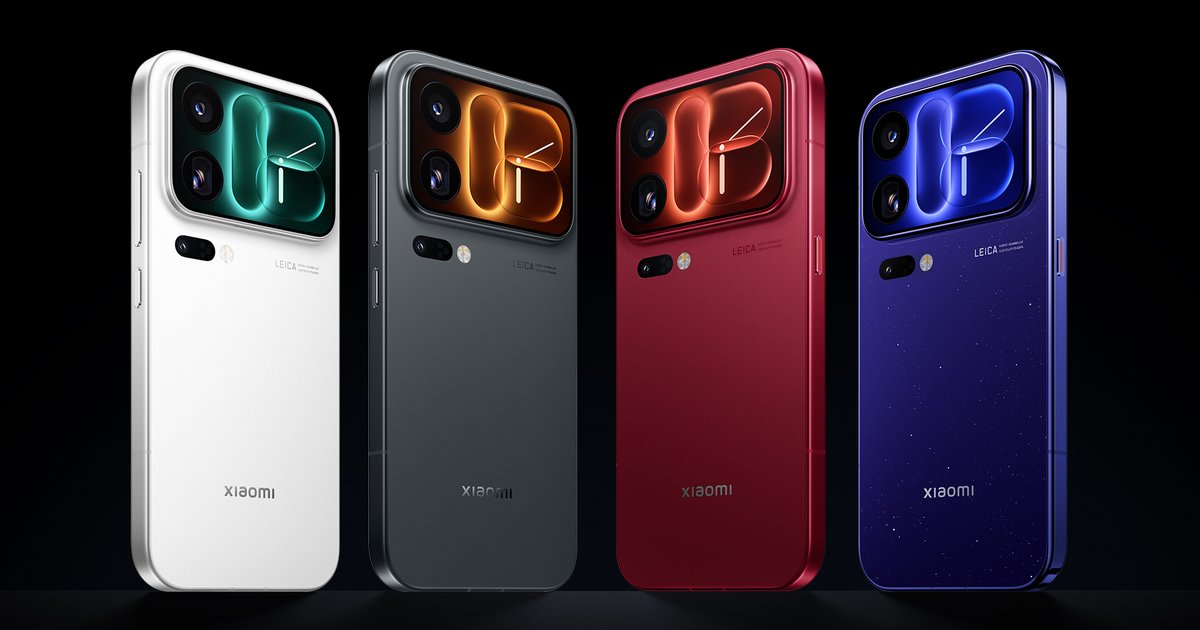
Xiaomi phone prices have reached a new high. In results published on 24 November 2026, Xiaomi said its average smartphone sold for RMB 1,486 (about $223) in the July to September quarter, up 39.8% from a year earlier. Shipments went the other way, falling 29.1% to 30.7 million phones.
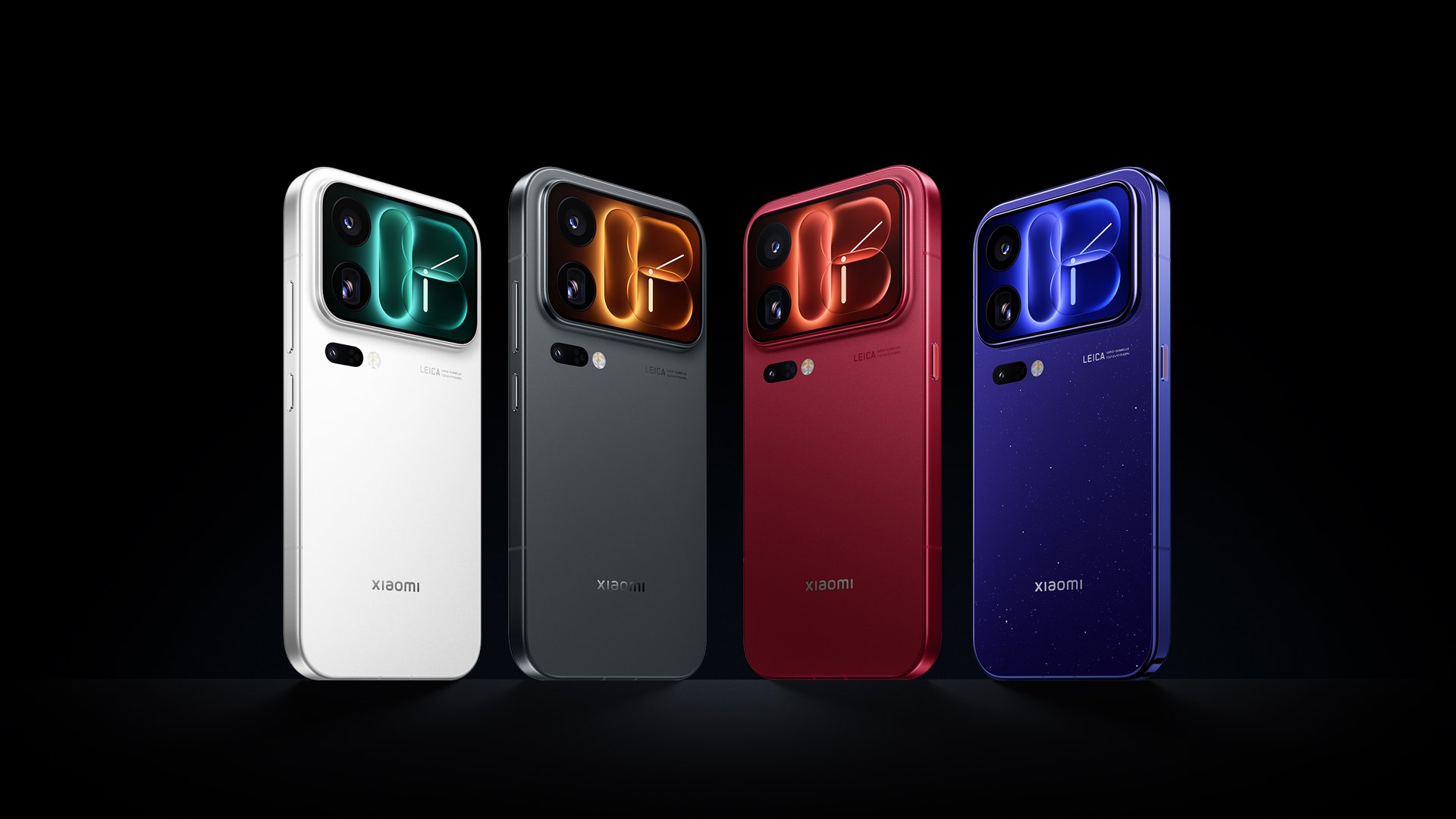
An average like this covers every Xiaomi, Redmi and Poco phone the company sells. It does not mean each model now costs 39.8% more. Part of the jump comes from Xiaomi choosing to ship fewer low-end phones.
Xiaomi Phone Prices and Shipments in Q3 2026
| Smartphone business | Q3 2025 | Q2 2026 | Q3 2026 |
|---|---|---|---|
| Phones shipped | 43.3 million | 31.2 million | 30.7 million |
| Average selling price | RMB 1,063 | RMB 1,351 | RMB 1,486 |
| Smartphone revenue | RMB 46.0 billion | RMB 42.1 billion | RMB 45.6 billion |
| Gross margin | 11.1% | 8.5% | 9.2% |
Look at the revenue row. Xiaomi sold 12.6 million fewer phones than in the same quarter of 2025, yet phone revenue slipped by just 0.8%. Dearer phones filled almost the whole gap.
Memory Costs Are Still the Problem
Xiaomi blames component prices, with memory at the top of the list. The company says memory now costs two to three times what it did at the start of 2026. That pushed the phone margin below last year's 11.1%, though it recovered a little from the second quarter. Adjusted group profit dropped 56.8% to RMB 4.9 billion.
Relief does not look close. Company president Lu Weibing told analysts that memory would likely stay expensive through the first half of 2027, according to the South China Morning Post, as cited by The Next Web. Lu also told reporters that Xiaomi cannot simply put prices up and has to offset the cost with better products, Longbridge reported.
Fewer Cheap Phones, More Flagships
Xiaomi's share of China's RMB 6,000 and above market rose 1.2 percentage points to 4.4%. The September launches explain the direction: the Xiaomi 18 Pro from RMB 5,999, the 18 Pro Max from RMB 6,999 and the Xiaomi 18 Fold from RMB 10,999. In Europe, the Xiaomi 18 Pro series starts at €1,399, with no official US release.
The wider market is shrinking too. Omdia figures cited by Xiaomi put global shipments down 20% in the quarter. Xiaomi stayed in the top three with a 12.1% share, its third quarterly rise in a row. Even so, its 29.1% fall was steeper than the market's, which means its share is lower than a year ago.
A separate supply chain report on 2027 phone shipment targets says Xiaomi may plan for only about 90 million phones next year. Xiaomi has not confirmed that number.
Our Opinion
Xiaomi built its name on phones that cost less than they should. These numbers show how hard that has become. If you want a flagship, not much changes, because the 18 Pro series already competes with Samsung and Apple on price. Budget buyers have more to worry about. With fewer low-end models shipping and memory tipped to stay expensive until mid-2027, waiting for a cheaper Redmi or Poco could backfire. We would pick up a current model at a holiday discount, and choose the larger storage option only if you will really use it. The trade-off is missing newer chips. For everyday apps, calls and photos, that is an easy one to live with.
Would you still buy a Xiaomi phone at these prices? Tell us in the comment section below, and stay tuned to Phone Opinions for more news.
Source: The Next Web, Longbridge, ProductNation, TelecomLead, South China Morning Post
FAQ
Why are Xiaomi phones getting more expensive?
Xiaomi points to rising component costs, mainly memory, and it is also shipping fewer low-end phones. Both lift its average selling price, which reached a record RMB 1,486 in Q3 2026.
How many phones did Xiaomi ship in Q3 2026?
Xiaomi shipped 30.7 million smartphones in the quarter, down 29.1% from 43.3 million a year earlier.
Will Xiaomi phone prices come down in 2027?
Xiaomi has not promised any cuts. Its president expects memory prices to stay high through the first half of 2027.