Apple Takes 57% of US Smartphone Market as Android Brands Slip
Counterpoint Research says Apple shipped 57% of US smartphones in Q3 2026, up from 50%, while total shipments fell 9% on memory shortages.
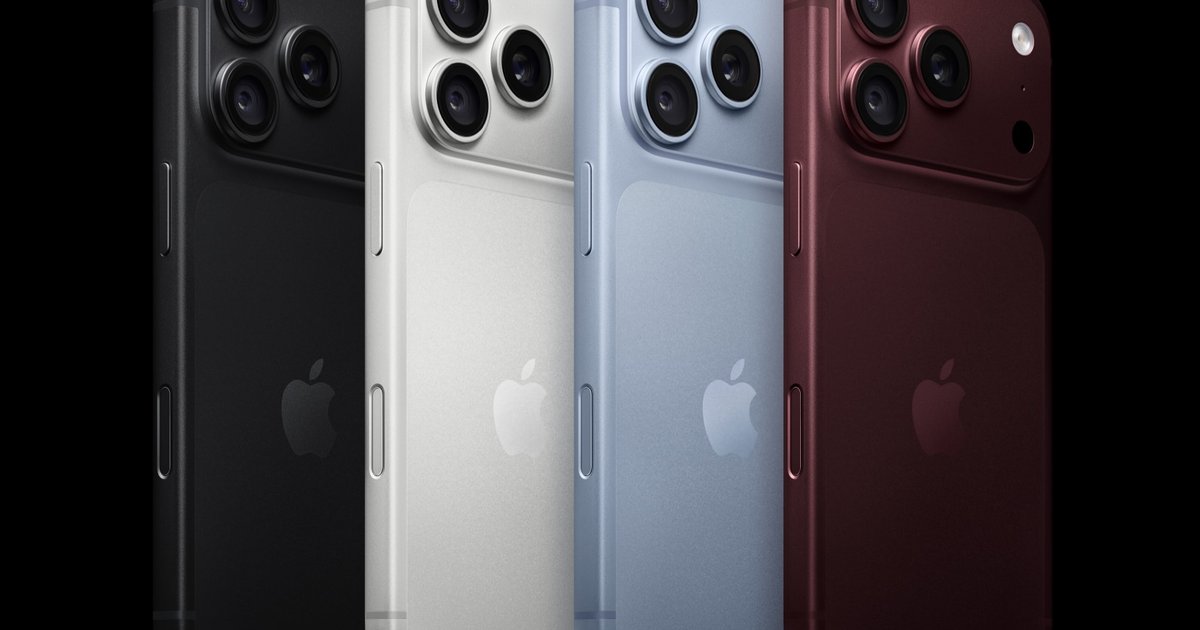
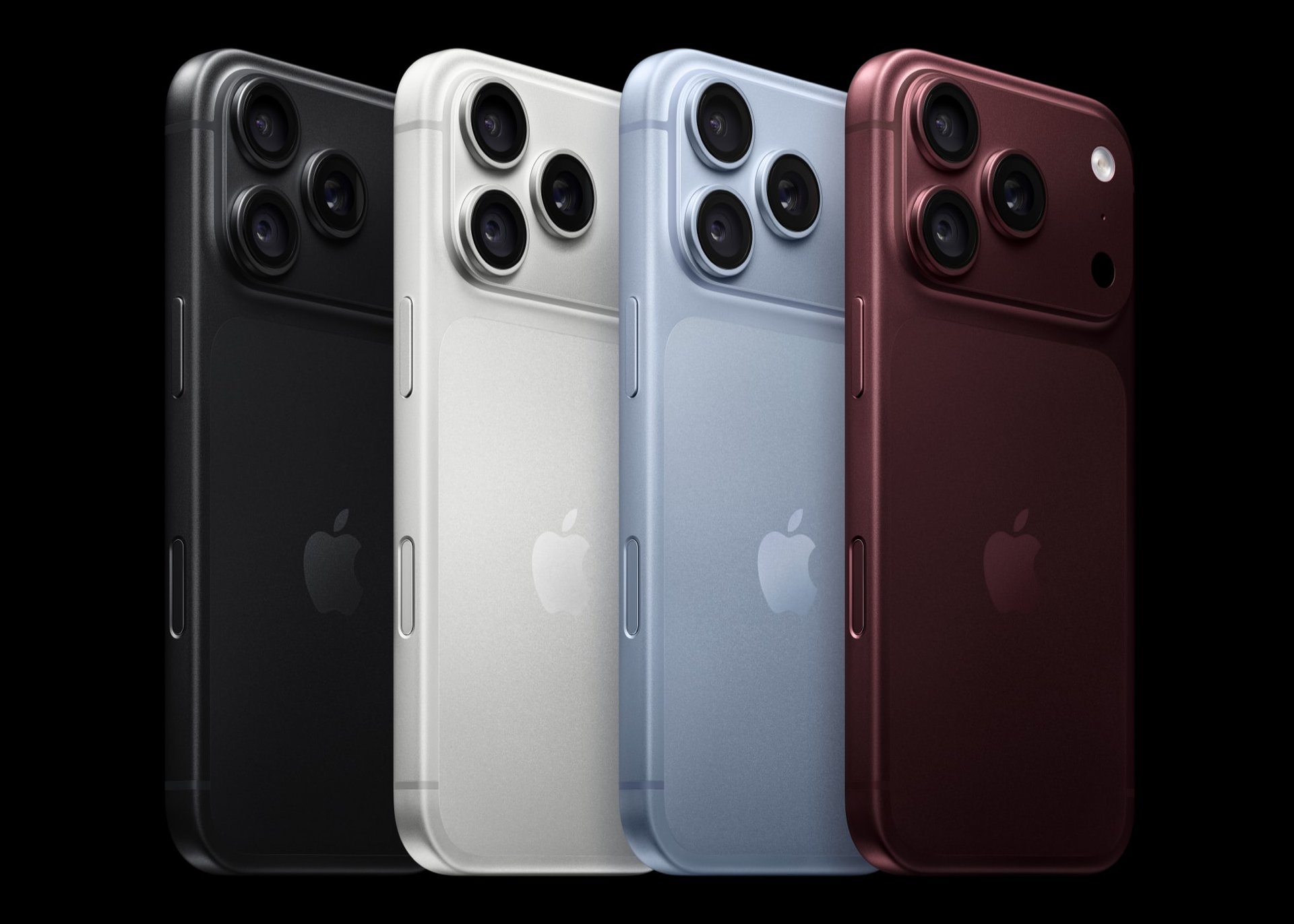
Apple took 57% of US smartphone market share in the third quarter of 2026, according to Counterpoint Research figures reported on 20 November 2026. That is up from 50% a year earlier, and it came while total US shipments fell 9% year on year. Samsung held second place with 25%, while Motorola and Google trailed far behind.
US Smartphone Market Share in Q3 2026
Counterpoint's US tracker counts shipments, meaning phones sent to carriers and retailers, not phones sold to buyers. Even so, the shape of the quarter is clear. Apple was the only major brand that did not ship fewer phones than in Q3 2025, so its slice of a smaller market grew sharply.
| Brand | Q3 2026 share | Q3 2025 share |
|---|---|---|
| Apple | 57% | 50% |
| Samsung | 25% | 24% |
| Motorola | 8% | 12% |
| 6% | 7% | |
| Others | 3% | 7% |
Put together, Apple and Samsung shipped about 82% of all smartphones in the US. The top four brands account for 97%, which leaves very little room for anyone else.
Why Android Brands Shipped Fewer Phones
Counterpoint puts the 9% drop down to tight memory supply. Memory chips have become far more expensive this year as AI data centres soak up production, and that hurts cheap Android phones the most, because memory makes up a bigger share of their cost. Low-cost models from Motorola were squeezed in particular, which explains why its share fell from 12% to 8%.
Smaller brands had an even worse time. Everyone outside the top four shrank from 7% to just 3% of shipments.
Samsung Holds Steady, Google Gets a Pixel 11 Bump
Samsung's 25% is one point better than a year ago, but it is down from 30% in the second quarter. Counterpoint credits its spread of flagships and budget Galaxy A phones for limiting the damage. That cushion may get thinner, as Samsung executives have pledged to stop selling Galaxy phones at deep discounts, a story we covered in our report on Samsung's deep discount ban.
Google's picture is mixed. Its 6% is down one point from Q3 2025, yet it doubled from 3% in the previous quarter. The Pixel 11 series launched in August, so the jump lines up with new phones reaching stores. Black Friday pricing, such as the Pixel 11 Pro deal at $799, could help it hold that level into the holidays.
Our Opinion
These numbers say more about memory prices than about any single phone. Apple sells expensive iPhones with healthy margins, so rising chip costs barely dent its shipments. A brand selling $200 Android phones has no such buffer, and it either raises prices or ships less. For US buyers, the result is less choice at the low end and fewer bargains outside the big two. If you want a cheap Android phone, a Black Friday deal on a current Galaxy A or Moto G model may be the best price you see for a while, since Samsung is reportedly planning Galaxy A price rises for 2027. For everyone else, the US market is now close to a two-horse race, and Google is the only challenger showing real momentum.
Do you think Apple can keep growing in the US, or will Google's Pixel 11 eat into its lead? Tell us in the comment section below, and stay tuned to Phone Opinions for more.
Source: Counterpoint Research, 9to5Google, Sammy Fans
FAQ
What is Apple's US smartphone market share in 2026?
Counterpoint Research puts Apple at 57% of US smartphone shipments in Q3 2026, up from 50% in Q3 2025.
Which Android brand sells the most phones in the US?
Samsung, with 25% of US shipments in Q3 2026. Motorola was next at 8%, followed by Google at 6%.
Why did US smartphone shipments fall in 2026?
Shipments dropped 9% year on year in Q3 2026, and Counterpoint blames memory shortages that raised costs for low-end Android phones.