Android Developer Verification Goes Global in January 2027
Google will expand Android developer verification to every country from January 2027, starting with seven app stores, with an advanced flow left for power users who sideload.
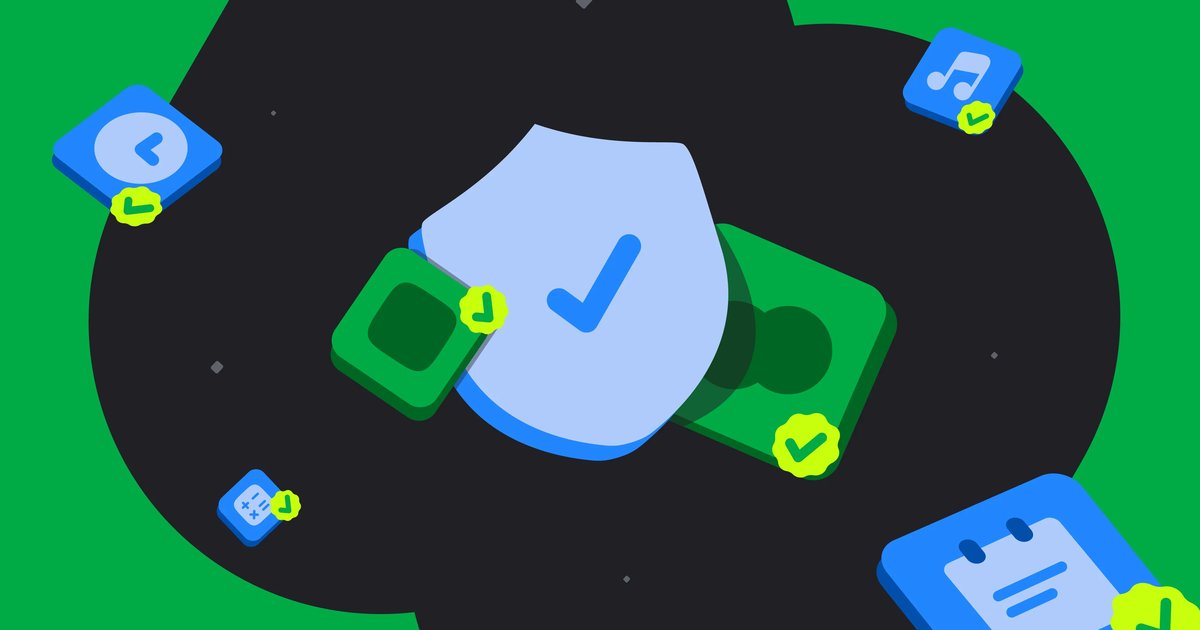
Google announced on 19 November 2026 that Android developer verification will go global from January 2027. Apps from developers who have not verified their identity will gradually lose the normal install path on certified Android phones in every country, whether they come from the Play Store, another app store or a downloaded APK file. Verification itself is free for students and hobbyists using Google's limited accounts.
What Google Announced
The update came in a post on the Android Developers Blog by Matthew Forsythe, who leads product management for Android app safety. The checks first went live on 30 September 2026 for participating stores in Brazil, Indonesia, Singapore and Thailand.
The global rollout starts with seven app distributors, and protections will then spread to all countries and all installation sources over several months. Google did not give a single end date in its post.
- Start: January 2027
- Launch partners: Google Play, Galaxy Store, Honor, Oppo, Xiaomi, Transsion and Vivo
- Already registered: millions of apps, covering over 99% of Android app installs worldwide, according to Google
- Hobbyist sharing limit: raised from 20 to 50 authorised devices
Android Developer Verification and Sideloading
This is the part most Android fans care about. Installing apps from outside the Play Store is not being banned, but it is getting a speed bump. Google says it has built an "advanced flow" that lets experienced users install unregistered apps if they accept the risk, while everyday users stay behind guardrails meant to stop scam installs.
According to Android Authority, that advanced flow includes a 24-hour waiting period, after which a user can allow unregistered installs for seven days or permanently.
What Changes for Developers
Developers who publish only outside Google Play need an Android Developer Console account to verify their identity and register their apps. Play developers should check registration status in Play Console, including for any app they also share elsewhere. Google says registering an app takes under ten minutes, and it has added two APIs so larger teams can automate the process. Neowin and Android Central both report that the free limited distribution accounts remain in place for students and hobbyists.
How This Compares With iPhone
Even after this change, Android stays more open than iOS. Apple only allows alternative app stores in the EU and a few other regions, and direct app downloads are tightly limited. The real change is that anonymous app distribution is coming to an end. It follows Google's other recent Play policy push, the new foldable app requirements from April 2027.
Our Opinion
For most people, this will be invisible. If you install apps from the Play Store or Galaxy Store, nothing changes on your phone. The people who will feel it are those who install open-source apps from smaller registries, use modded apps, or test apps from small developers who never bother with paperwork. A 24-hour wait is annoying, but it is not a wall. Our bigger concern is the people left out: Mezha reports that developers in sanctioned countries cannot verify at all, and some anonymous open-source developers may simply stop releasing. Overall, it is a sensible anti-scam move with a real cost for Android's openness.
Do you sideload apps on your Android phone, and will this change how you use it? Do let us know in the comment section below, and stay tuned to Phone Opinions for more Android news.
Source: Android Developers Blog (Google), Android Authority, Android Central, Neowin, Mezha
FAQ
When does Android developer verification start worldwide?
Google says the global rollout begins in January 2027 and will reach all countries and installation sources over several months.
Can I still sideload apps on Android after 2027?
Yes. Apps from verified developers install as usual, and an advanced flow lets experienced users install unregistered apps after a waiting period, according to Android Authority.
Which app stores are part of the first rollout?
Google Play, Galaxy Store, Honor, Oppo, Xiaomi, Transsion and Vivo are the seven launch partners.